Private messaging without a phone number
Veto is an end-to-end encrypted messenger: local identity, keys on the device and relays that only see ciphertext. We built the site, the web app and a native Flutter app for Android and iOS, all on one Rust core.
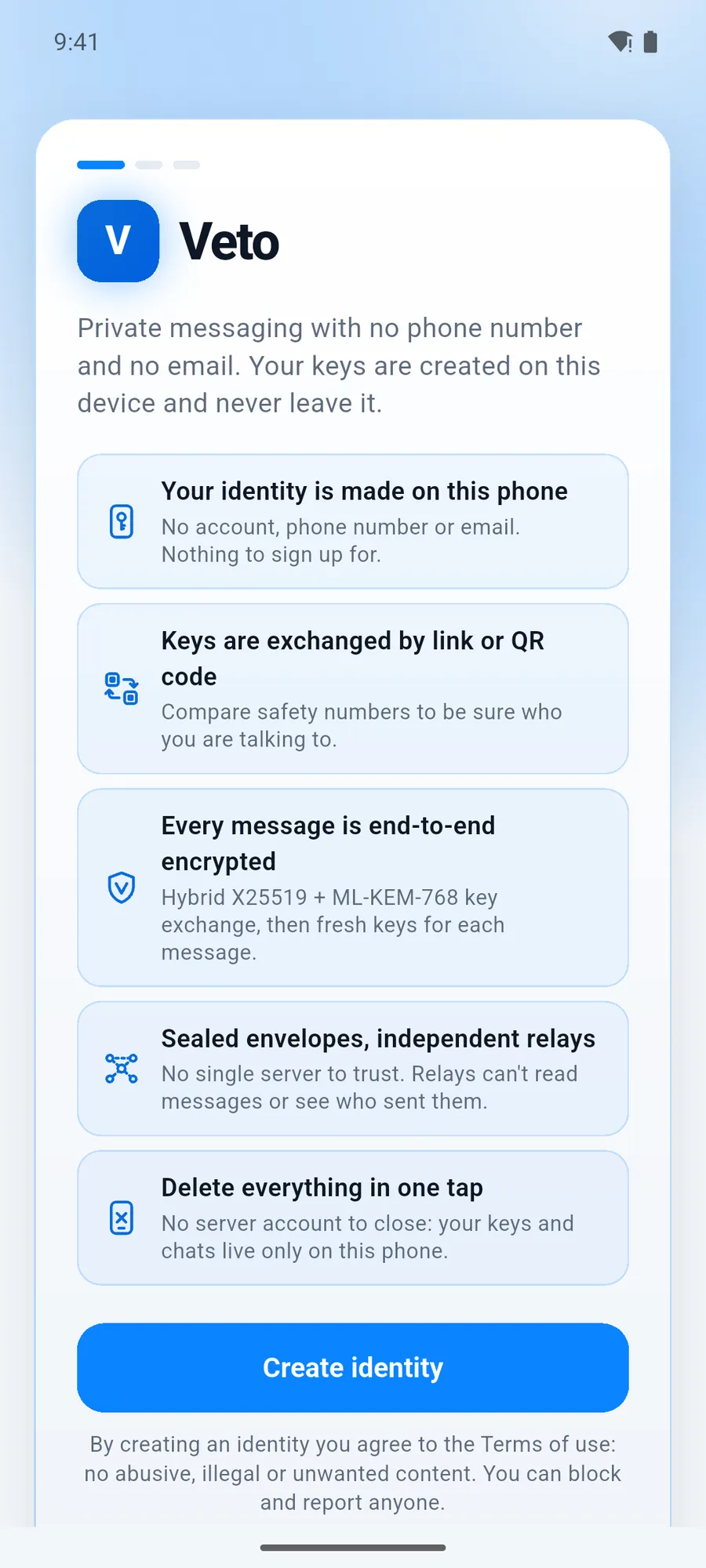
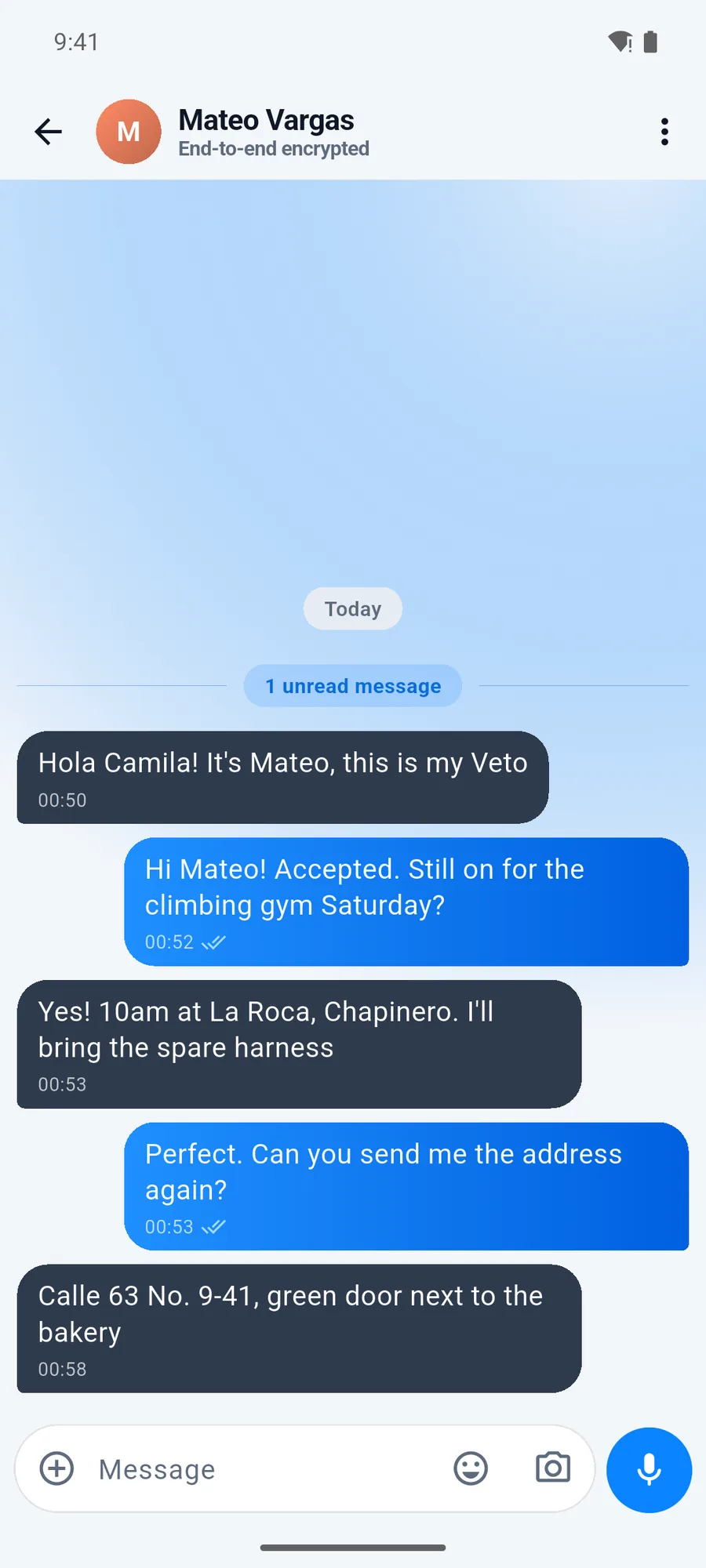
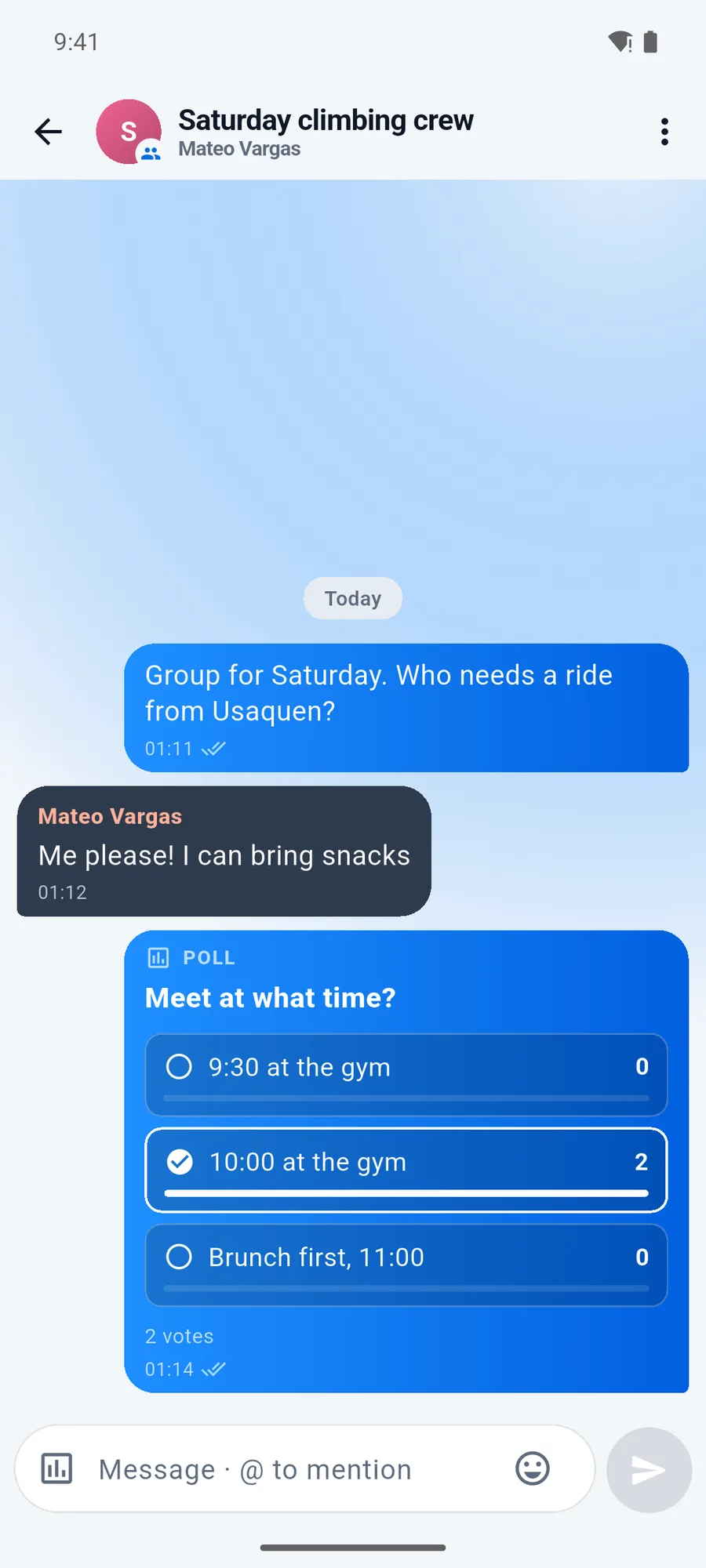
Veto is an end-to-end encrypted messenger that doesn't ask for a phone number: identity and keys are created on the device, and messages travel through several relays that only see ciphertext. We built its trilingual site, the /app PWA and, in October 2026, a native Flutter app that runs the same Rust cryptographic core as the web. On the phone, the app adds contacts by link or QR code, runs groups and polls, and locks behind a local passcode.
- Client
- Veto · Private messenger
- Sector
- Privacy and messaging
- Year
- 2026
- Deliverables
- Native Flutter app (Android, iOS)
- Rust core over FFI
- PWA at /app
- Trilingual marketing site
- E2E multi-relay architecture
Nobody in the middle reads the messages
The brief for Veto was strict. Scanners, relays and operators should never see plaintext, and nobody should need a phone number or an SMS to join. The security claims also had to be honest: a privacy product that overstates its protection breaks the trust it asks for. The project needed a real product and a clear statement of where it stands.
A native app on the same Rust core
In October 2026 we replaced the Capacitor shells with a native Flutter app for Android and iOS. Rewriting the protocol in Dart would have forked the cryptography and split Veto into two networks that can't talk to each other. So the app calls the same Rust core as the web app, through a small C interface (veto-ffi). Secrets stay behind native handles; Dart only receives public keys, ciphertext and the plaintext it asks for. Golden test vectors generated from the TypeScript code run in both test suites, and CI fails if web and native drift apart.
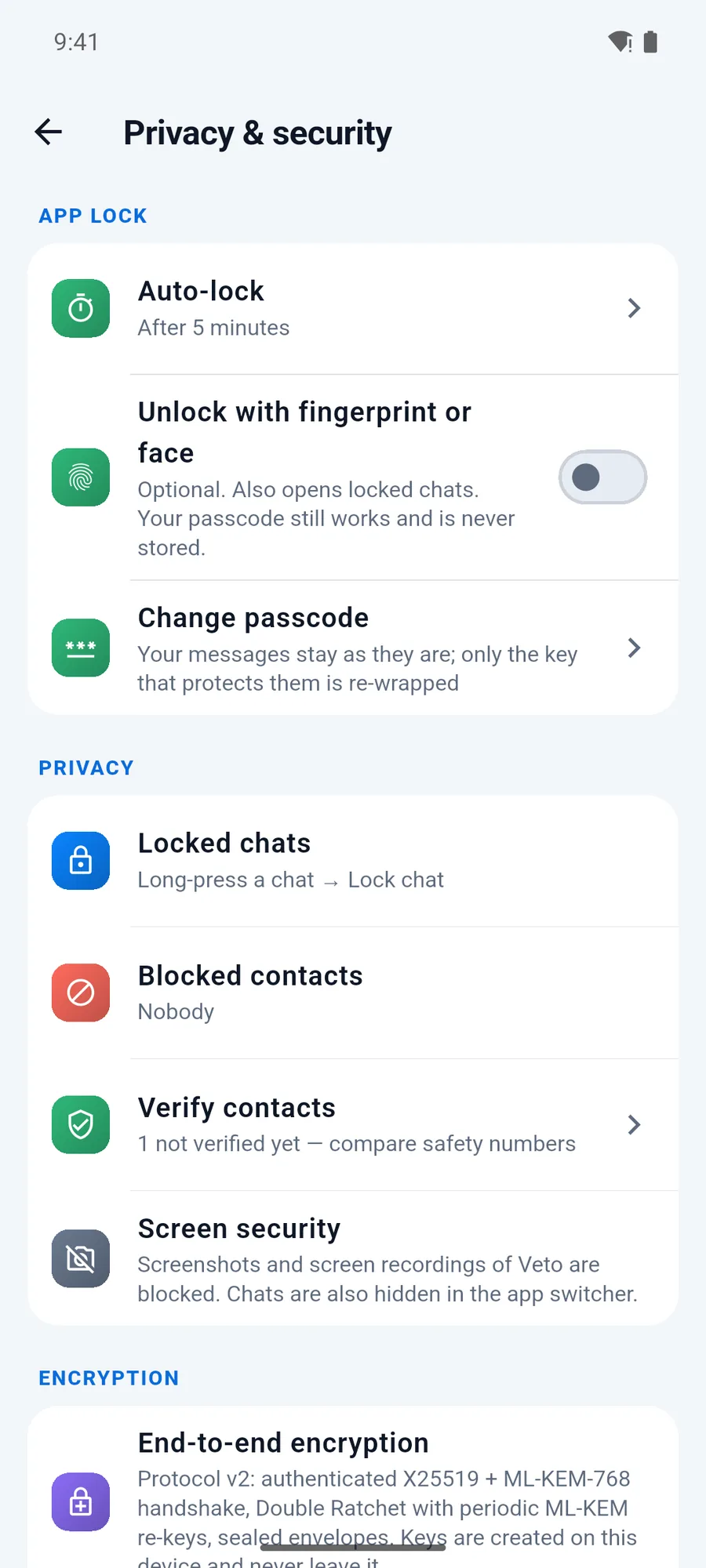
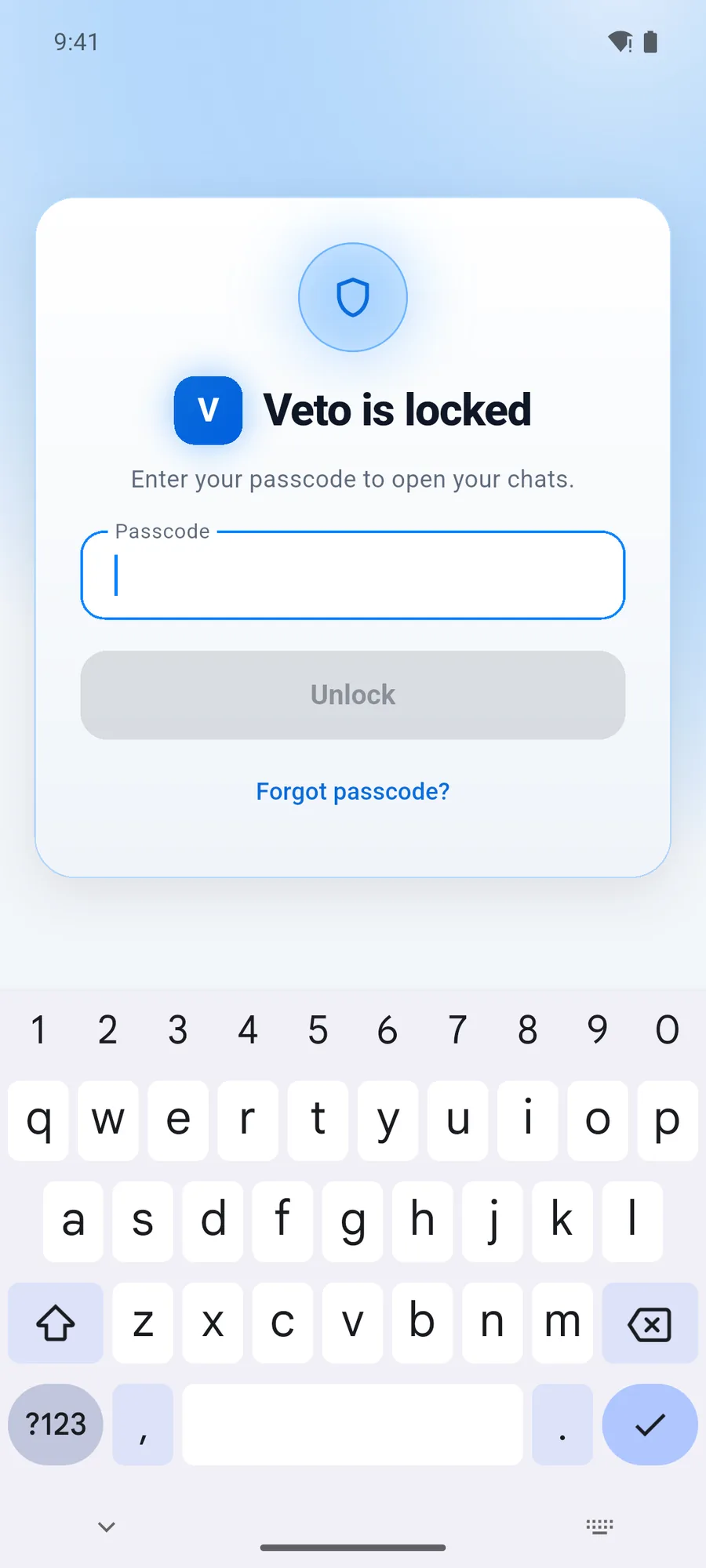
The native app uses the same relays as the web app, so a phone user and a browser user add each other with the same invite link or QR code. A message counts as delivered once at least two relays have stored it. On the phone, every SQLite row is sealed under the vault key, and that key is wrapped again with a device key kept in the Android Keystore or the iOS Keychain: copying the app's files doesn't allow offline passcode guessing. The app locks after five minutes in the background and hides chats in the app switcher.
The repository has 217 commits since May 2026. The app is 53 Dart files and 16,369 lines, with 50 test cases, on top of a 4,366-line Rust crypto crate. An end-to-end script runs the real APK on an emulator against the real web app.
-
01
Flutter app, Rust core
One Flutter codebase for Android and iOS calls the same Rust cryptography as the web app through veto-ffi, so there is a single protocol to maintain.
-
02
Hybrid handshake
Protocol v2 combines X25519 and ML-KEM-768 in the handshake, then runs a Double Ratchet with periodic ML-KEM re-keys. The post-quantum part protects message confidentiality.
-
03
Safety numbers
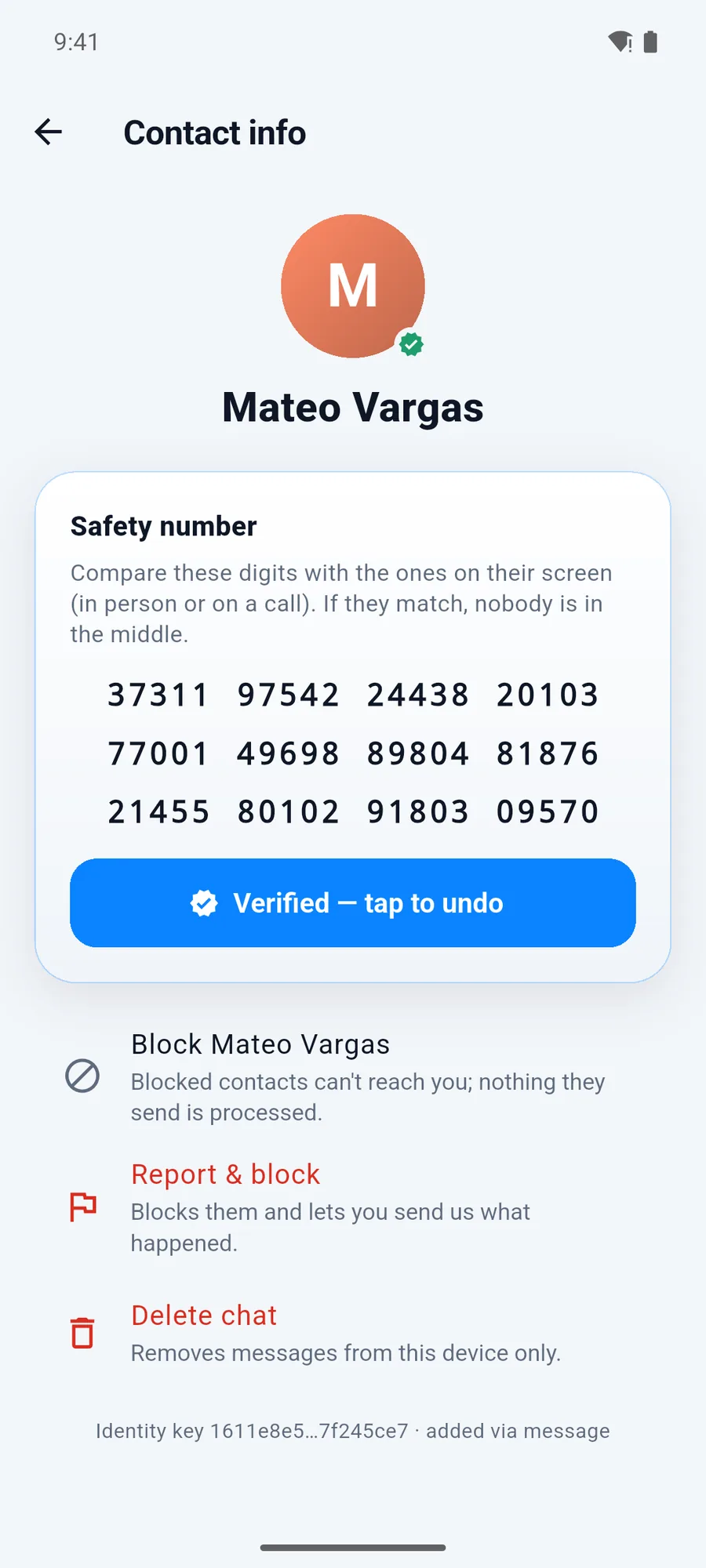
Each contact has a 60-digit safety number in 12 groups of 5. You compare it in person or on a call, mark the contact as verified, and Veto warns you if the keys change.
-
04
Phone, laptop and web
The web app runs in any laptop browser and meets native users on the same relays. The native app doesn't link devices yet, so each device has its own identity.
The project in pictures
7 images · Open any image to see it full size.
One messenger on phone, laptop and web
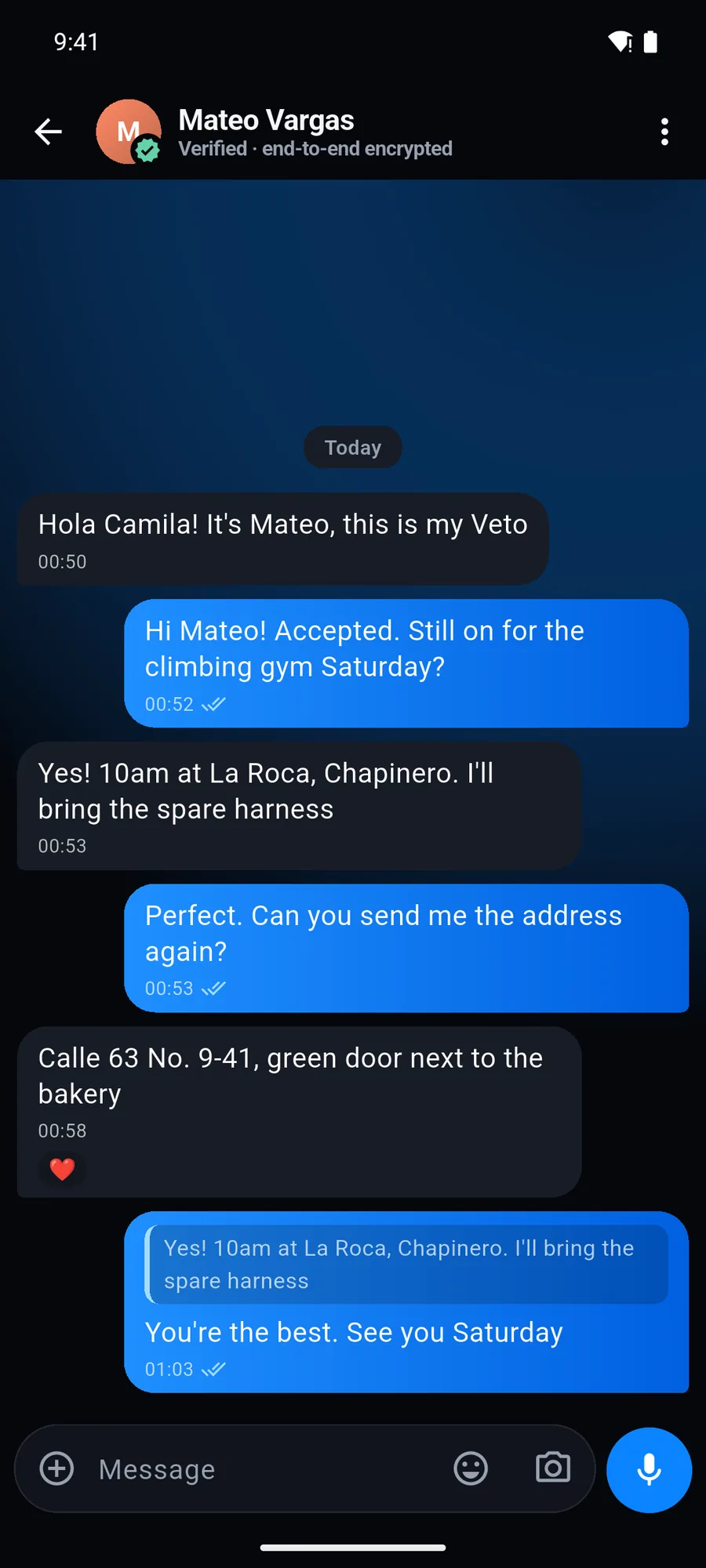
Veto now runs as a native app on Android and iPhone and as a web app on laptops and desktops, with the same relays and the same invite links. Groups, polls, stickers, reactions, replies, locked chats and a dark theme work in the native app, and Veto Echo, a demo contact that runs on the phone itself, lets a new user try it alone.
- Native Flutter app over the same Rust core as the web app
- Same relays and invite links for phone and browser users
- 50 mobile tests and golden vectors shared with the web code
The questions we hear often
Is the Veto app safe?
Veto encrypts each message on your device before it leaves, with a hybrid X25519 + ML-KEM-768 handshake and a Double Ratchet, and the relays only carry sealed envelopes they can't read. The app's own "Honest status" note sets the limit: post-quantum protection covers message confidentiality, while identity checks are classical, so compare safety numbers with the people you talk to.
Do I need a phone number to use Veto?
No. Veto asks for no phone number, no e-mail and no account. Your identity and keys are created on your device, and you add people by sharing an invite link or showing a QR code.
Can I use Veto on a laptop?
Yes, through the web app in a browser, which you can install as a PWA. It runs the same Rust cryptographic core as the phone app and uses the same relays, so laptop and phone users can add each other. The native app doesn't link devices yet, so the laptop gets its own identity.
Is there a Veto app for my phone?
Yes: a native app for Android and iPhone, built from one Flutter codebase. It creates your identity on the phone and asks for no phone number to get started.
Cases close to this one
 Read more
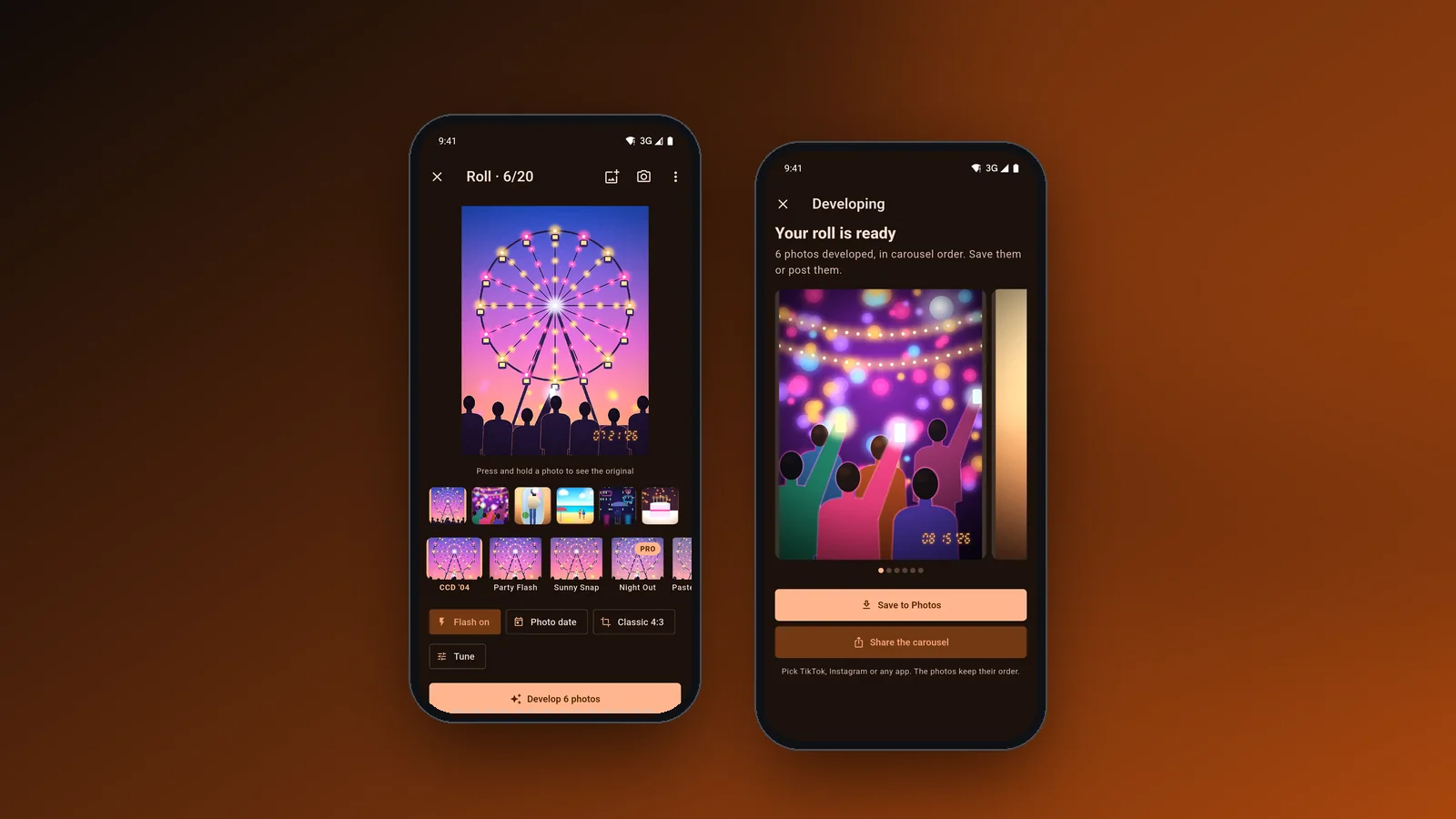
Flashdays · Photo app
A camera roll developed like it's 2006
Flutter app for Android and iOS that gives a whole roll the look of a 2000s compact camera and exports it as a carousel, developed on the phone's GPU.
Learn more →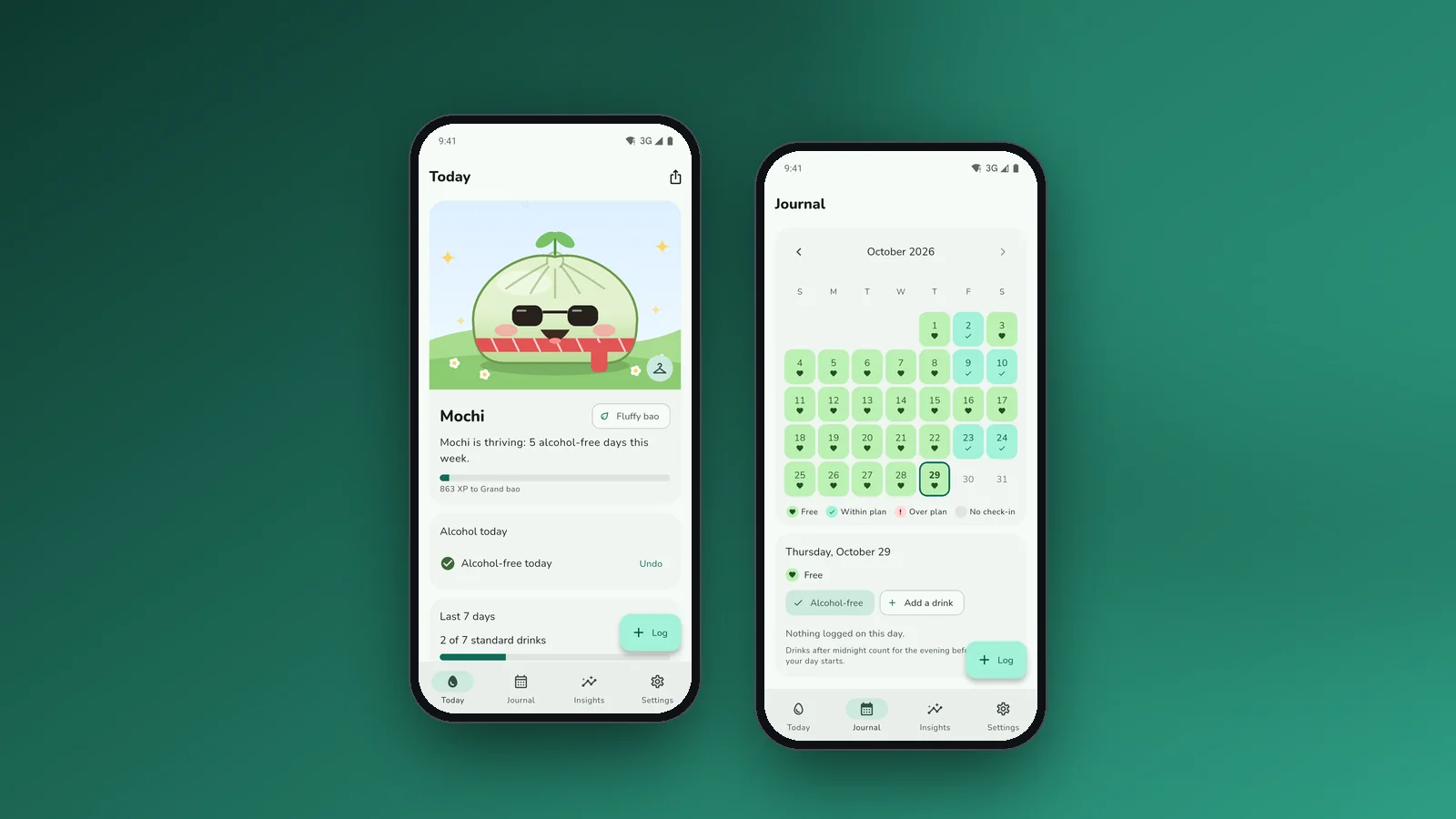 Read more
Dampling · Drink less
Drink less, and watch a pet grow
Flutter app for Android and iOS: an alcohol and nicotine journal that keeps its data on the phone, and a dumpling pet that grows on alcohol-free days.
Learn more →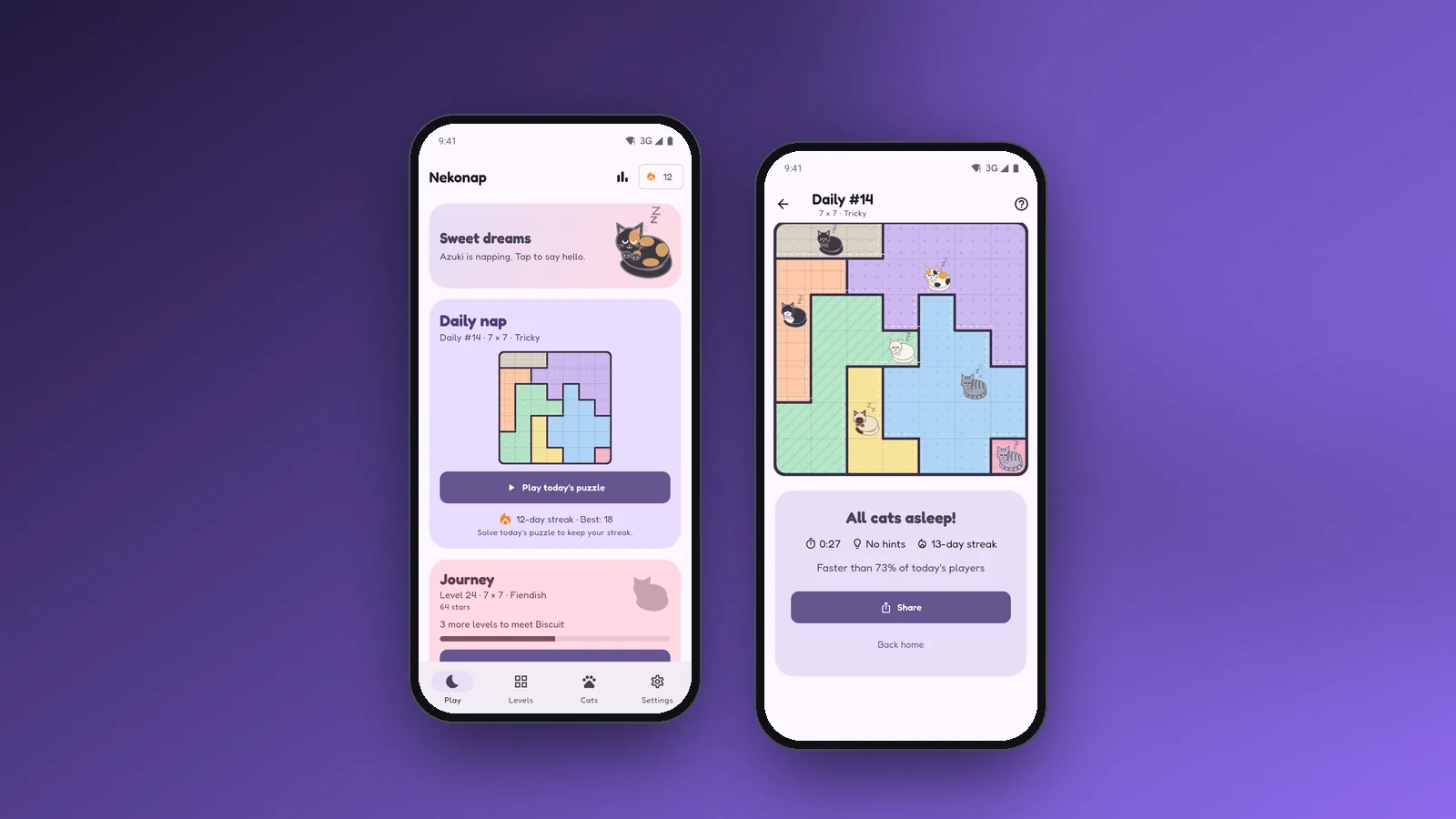 Read more
Nekonap · Logic puzzle
A daily puzzle about sleeping cats
Flutter logic puzzle for Android and iOS: one cat per row, column and patch, the same daily puzzle for everyone and 36 cats, with no ads.
Learn more →Let's put it in production
Tell us your challenge. We reply within 24 business hours with an honest first read: if we can help, we'll say how; if not, we'll say who can.
I reply personally. No endless forms, no canned replies.